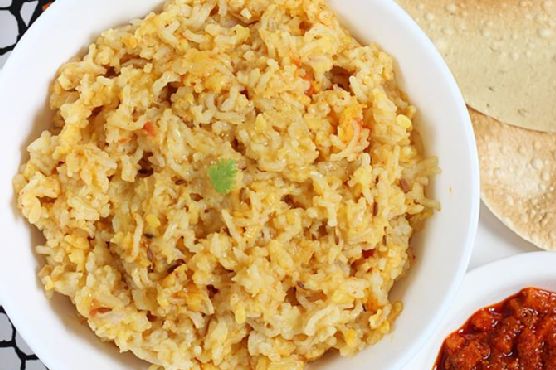
Khichdi Recipe: The Indian Lentil Rice Bowl That Heals and Satisfies
In every Indian household, there is one dish that appears on sick days, rainy evenings, and quiet weeknights alike. It is khichdi — a humble porridge of rice and lentils that somehow manages to be both nourishing and deeply soothing. This khichdi recipe delivers the authentic version in 30 minutes, with ingredients you likely already have in your pantry. It is also gluten‑free, lacto‑ovo vegetarian, and costs less than a dollar per serving.
“Khichdi is what you eat when you want to feel held. It is the original comfort food, and it asks for almost nothing in return.”
What Is Khichdi?
Khichdi (pronounced KICH‑ree) is a traditional Indian preparation of rice and split lentils cooked together until they break down into a soft, porridge‑like consistency. It is often compared to congee, risotto, or even savory oatmeal — but khichdi exists in its own category. It is mild enough for a recovering stomach yet flavorful enough to crave on a regular Tuesday. Spices are minimal: usually just turmeric, salt, and maybe a pinch of cumin. The magic lies in the texture and the subtle fragrance of ghee drizzled on top.
Unlike many Indian dishes that rely on complex spice blends, easy khichdi is intentionally simple. That simplicity makes it incredibly versatile. You can dress it up with crunchy vegetables, a tempering of cumin seeds and garlic, or a spoonful of tangy pickle on the side. You can also leave it completely plain — it will still be good.
Ingredients for Classic Khichdi
📋 Pantry Basics – Serves 2
- ½ cup basmati rice – Washed and drained
- ¼ cup split yellow moong dal – Skinless split lentils; rinsed until water runs clear
- 1 tablespoon ghee or neutral oil – Ghee adds authentic flavor
- ½ teaspoon cumin seeds – Optional but recommended
- ¼ teaspoon turmeric powder
- ½ teaspoon salt – Adjust to taste
- 2 cups water – More for softer consistency
- Pinch of asafoetida (hing) – Optional, aids digestion
- Chopped cilantro – For garnish
Moong dal is the classic choice, but you can substitute masoor dal (red lentils) – cooking time may vary slightly.
Ingredient Notes for American Kitchens
Rice. Basmati gives the best fragrance, but long‑grain white rice works perfectly. Brown rice requires longer cooking and more liquid; adjust accordingly.
Lentils. Look for “split yellow moong dal” in Indian grocery stores or online. Red lentils (masoor dal) are an acceptable substitute and cook even faster.
Ghee. Clarified butter is available at Trader Joe’s, Whole Foods, and most supermarkets. Unsalted butter can be used in a pinch.
Asafoetida. Often labeled “hing.” It smells pungent raw but adds a gentle onion‑garlic undertone when cooked. Skip it if you don’t have it.
How to Make Khichdi (Step by Step)
1. Wash and Soak (Optional)
Rinse the rice and dal together in a fine‑mesh strainer until the water runs clear. Soaking for 15–20 minutes reduces cooking time, but it is not mandatory. Drain well.
2. Temper the Spices
Heat ghee in a heavy‑bottomed pot or pressure cooker over medium heat. Add cumin seeds and let them sizzle for 10 seconds. If using asafoetida, add it now. The aroma should be nutty and fragrant.
3. Add Rice, Dal, and Water
Add the drained rice and dal, turmeric, salt, and water. Stir well. Scrape any bits from the bottom.
4. Cook Until Soft
Stovetop method: Bring to a boil, then reduce heat to low, cover partially, and simmer for 25–30 minutes. Stir occasionally to prevent sticking. Add more hot water if the khichdi becomes too thick before the grains are fully tender.
Instant Pot method: Use the pressure cook setting on high for 12 minutes with natural release. The ratio of rice:dal:water remains the same.
5. Mash and Rest
Once cooked, mash the khichdi lightly with the back of a spoon to achieve a creamy, porridge‑like consistency. Let it rest 5 minutes. The starches will continue to swell.
6. Garnish and Serve
Drizzle with a teaspoon of warm ghee and sprinkle chopped cilantro. Serve hot with yogurt, pickle, or a squeeze of lemon.
👩🍳 Pro Tips for Perfect Khichdi Every Time
- Consistency is personal. Some like khichdi thick enough to eat with a fork; others prefer it soupy. Adjust water by ¼‑cup increments.
- Don’t skip the tempering. Even a bare‑minimum tadka of cumin and ghee elevates the dish from plain porridge to something you’ll crave.
- Leftovers thicken overnight. Add a splash of hot water while reheating to restore the original texture.
- Make it a meal. Stir in a handful of frozen peas or finely chopped carrots during the last 5 minutes of cooking.
Why Khichdi Is a Nutritional Powerhouse
One serving of this Indian lentil rice recipe contains 346 calories with a macronutrient profile that leans heavily toward complex carbohydrates (58g) and a respectable 6g of plant protein. The fat content (8g) comes primarily from ghee, which provides butyrate – a fatty acid known to support gut health. Turmeric adds anti‑inflammatory curcumin, and the combination of rice and lentils forms a complete protein, meaning you get all essential amino acids in a single bowl.
Because khichdi is easily digestible, it has been used in Ayurveda for centuries as a cleansing and healing meal. It is gentle enough for children, the elderly, and anyone recovering from illness. Yet it is satisfying enough to anchor a hearty dinner.
Khichdi Variations Worth Trying
Once you master the basic khichdi recipe, the template invites endless customization. Here are five traditional variations you can explore:
- Sama ki khichdi – Made with barnyard millet instead of rice, popular during Hindu fasting periods.
- Moraiya khichdi – A Gujarati version with mild spices and sometimes peanuts.
- Farali khichdi – Another fasting variation using buckwheat (kuttu) or amaranth.
- Vrat ki khichdi – Prepared with samvat ke chawal (shama millet) and sendha namak (rock salt).
- Vegetable khichdi – Add peas, carrots, potatoes, or cauliflower for a one‑pot complete meal.
Each variation follows the same basic principle – cook a grain with a legume until soft – but the choice of ingredients transforms the dish entirely. All are gluten‑free and lacto‑ovo vegetarian by default.
What to Serve With Khichdi
Khichdi is traditionally accompanied by:
- Plain yogurt or raita – The coolness balances the warmth of the spices.
- Indian pickle (achar) – A small amount adds a punch of salt, oil, and chili.
- Papad – Crispy roasted lentil wafers for textural contrast.
- Roasted cumin powder – Sprinkle extra on top for earthiness.
For a complete weeknight dinner, serve khichdi alongside a simple stir‑fried vegetable or a leafy green salad. It also pairs surprisingly well with a fried egg on top.
Storage and Meal Prep
Khichdi keeps well in the refrigerator for up to 5 days. Store in an airtight container. Because it thickens as it sits, add a few tablespoons of water or broth before reheating on the stovetop or in the microwave. Freeze in portion‑size containers for up to 3 months. Thaw overnight in the fridge before reheating.
🍚 The Final Take
This khichdi recipe will not win a beauty contest. It is beige, soft, and unassuming. But one spoonful on a cool evening or a tired day, and you will understand why millions of people grew up eating it. It is proof that the most nourishing food often requires the least effort. Keep the ingredients in your pantry. You never know when you will need a bowl of something that feels like a hug.
Filed under: Indian Recipes · Vegetarian · Gluten‑Free · Budget Meals · Comfort Food · 30‑Minute Meals