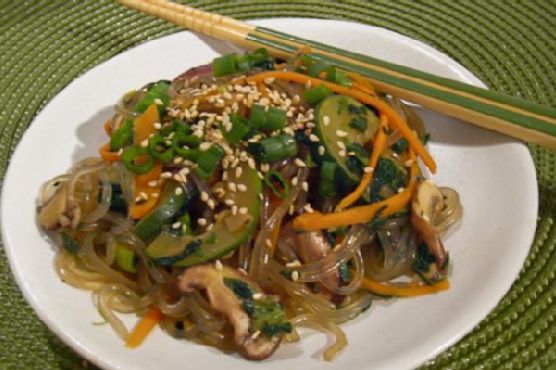
Chapchae: Korean Stir‑Fried Noodles That 40 Cooks Already Swear By
Chapchae (or japchae) is one of those dishes that looks complicated but secretly isn't. Glossy, sweet‑savory noodles tangled with tender vegetables and a hint of sesame – it's the kind of side that can easily steal the show. It also happens to be naturally gluten‑free (if you use the right noodles), dairy‑free, and adaptable to almost any diet. Forty home cooks have already made this version and immediately added it to their permanent rotation. A 91% spoonacular score says it's a certified hit. At 397 calories and $2.09 per serving, it's also one of the most satisfying meals you can make in 45 minutes.
“I ordered japchae at a Korean restaurant and fell in love. I never thought I could make it at home, but this recipe is so straightforward. The noodles come out perfectly chewy every time, and the sesame oil gives it that authentic fragrance.”
What Makes Chapchae So Good
Chapchae starts with dangmyeon – Korean sweet potato starch noodles. These translucent noodles are chewy, slightly springy, and completely unlike anything else in the pasta family. They don't get mushy; they stay delightfully bouncy even after stir‑frying. The magic happens when those warm noodles meet a simple sauce of soy sauce, sugar, and sesame oil, absorbing all that savory sweetness while they're still hot.
The vegetables are just as important. Spinach wilts down to silky tenderness. Carrots add color and a subtle crunch. Onion provides sweetness, and mushrooms (typically shiitake) bring an earthy depth. A final sprinkle of sesame seeds and a drizzle of extra sesame oil right before serving make the whole dish sing. Each bowl delivers 397 calories, 5 grams of protein, and 15 grams of satisfying fat – mostly from the sesame oil, which is the kind of fat worth celebrating.
Ingredients for Chapchae (Korean Stir‑Fried Noodles)
📋 Shopping List – Serves 4 as a side, 2–3 as a main
- 7 oz Korean sweet potato starch noodles (dangmyeon)
- 4 oz baby spinach
- 1 large carrot – Julienned
- 1 medium yellow onion – Thinly sliced
- 4 oz shiitake mushrooms – Stems removed, caps thinly sliced
- 3 cloves garlic – Minced
- 3 tablespoons soy sauce – Use tamari for gluten‑free
- 2 tablespoons brown sugar
- 2 tablespoons sesame oil – Divided
- 1 tablespoon toasted sesame seeds
- 2 tablespoons vegetable oil – For stir‑frying
- Salt to taste
All ingredients are naturally dairy‑free and can be made gluten‑free with tamari. Vegan as written.
Ingredient Notes
Noodles. Don't substitute regular pasta. Sweet potato starch noodles are unique and essential to the dish. Look for them in Asian grocery stores or online – they're usually labeled "japchae noodles" or "dangmyeon."
Sesame oil. Toasted sesame oil is non‑negotiable. It has a deep, nutty aroma that makes chapchae taste like chapchae. Regular sesame oil won't give you the same result.
Vegetables. The classic trio is spinach, carrot, and onion. Shiitake mushrooms are traditional, but you can use any mushroom you like. Bell pepper or scallions also work.
How to Make Chapchae
1. Cook the Noodles
Bring a large pot of water to a boil. Add the sweet potato starch noodles and cook according to package directions – usually 5 to 7 minutes. Drain and rinse under cold water to stop the cooking. Use kitchen shears to cut the noodles a few times so they're easier to eat. Toss with 1 teaspoon of sesame oil to prevent sticking.
2. Prepare the Vegetables
While the noodles cook, prepare the vegetables. Blanch the spinach in boiling water for 30 seconds, then drain and squeeze out excess water. (You can skip this if you're using the spinach raw; it will wilt slightly when mixed with the warm noodles.) Julienne the carrot, slice the onion, and slice the mushrooms.
3. Make the Sauce
In a small bowl, whisk together the soy sauce, brown sugar, and 1 tablespoon of sesame oil. Set aside.
4. Stir‑Fry the Vegetables
Heat 1 tablespoon of vegetable oil in a large skillet or wok over medium‑high heat. Add the onion and carrot and stir‑fry for 2 minutes. Add the mushrooms and garlic and cook for another 2 minutes, until the vegetables are tender but still have some bite. Transfer to a large bowl.
5. Combine Everything
Add the cooked noodles to the bowl with the vegetables. Pour the sauce over everything and toss well with tongs or your hands (use gloves if you're sensitive to heat). Add the blanched spinach and toss again. The noodles will absorb the sauce as they sit.
6. Finish and Serve
Drizzle with the remaining 1 tablespoon of sesame oil and sprinkle with toasted sesame seeds. Toss once more. Serve warm or at room temperature. Chapchae is delicious either way.
🥢 Pro Tips for Perfect Chapchae
- Don't overcook the noodles. They should be tender but still chewy. Rinsing in cold water stops the cooking and removes excess starch.
- Use your hands. Tossing with tongs can be frustrating; clean hands work best to coat every strand evenly.
- Make it a meal. Add thinly sliced beef or tofu to turn this side into a main course. Stir‑fry the protein first, then set aside and add back at the end.
- Go heavy on the sesame. The sesame oil and seeds are what make this dish sing. Don't skimp.
Serving Suggestions
Chapchae is incredibly versatile. Serve it:
- As a side dish with Korean barbecue. It's the perfect companion to bulgogi or galbi.
- At room temperature as a potluck dish. It travels well and doesn't need reheating.
- Topped with a fried egg. A runny yolk mixed into the noodles is pure heaven.
- Alongside kimchi and pickled vegetables. The bright, spicy contrast is perfect.
Recipe Variations
Once you've mastered the classic, try these simple twists:
- Beef Chapchae: Marinate thinly sliced ribeye in soy sauce, garlic, and sesame oil. Stir‑fry quickly and add to the finished dish.
- Spicy Chapchae: Add 1 tablespoon gochujang (Korean chili paste) to the sauce. Spicy, sweet, irresistible.
- Extra Vegetable Chapchae: Add bell pepper, zucchini, or cabbage. More veggies never hurt.
- Mushroom Chapchae: Use a mix of shiitake, oyster, and cremini mushrooms for an umami bomb.
Storage and Leftovers
Chapchae keeps beautifully in the refrigerator for up to 4 days. The noodles will absorb more sauce as they sit, so you may want to add a splash of soy sauce and sesame oil when serving leftovers. It's delicious cold or at room temperature – perfect for lunch the next day.
The 91% Spoonacular Score – What It Really Means
A 91% score on Spoonacular is elite. It places this recipe in the top tier of the platform's ratings, reserved for dishes that are exceptionally well‑liked, nutritionally balanced, and cost‑effective. The algorithm rewards its clean ingredient list, strong nutrient density (21% DV!), and glowing user feedback – 40 cooks and counting, all of whom would make it again. That's a 100% return rate. When 91% meets 40 enthusiastic home cooks, you know you've found a recipe that deserves a permanent spot in your rotation.
🍜 The Final Verdict
Chapchae is proof that Korean cuisine is about more than just barbecue and kimchi (though we love those too). It's a dish that's elegant enough for company but simple enough for a Tuesday night. Chewy noodles, tender vegetables, and that unmistakable sesame fragrance – it's hard to beat. Forty people have already discovered this. At $2.09 a serving, you can afford to join them.
Filed under: Korean · Noodles · Vegetarian · Vegan · Gluten‑Free Option · Side Dishes · Chapchae